From concept to reality
Turning school playgrounds into climate shelters capable of generating energy.
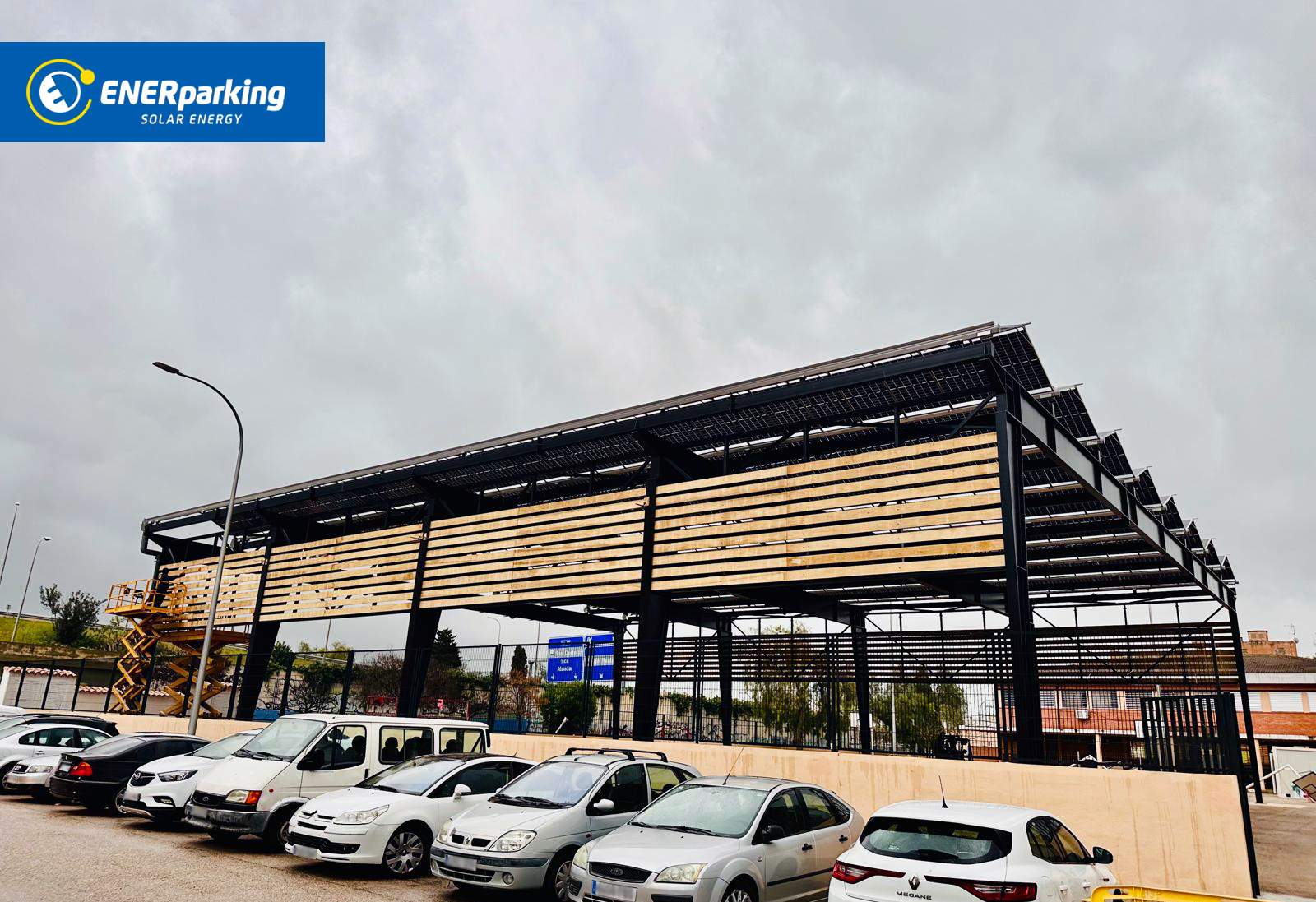
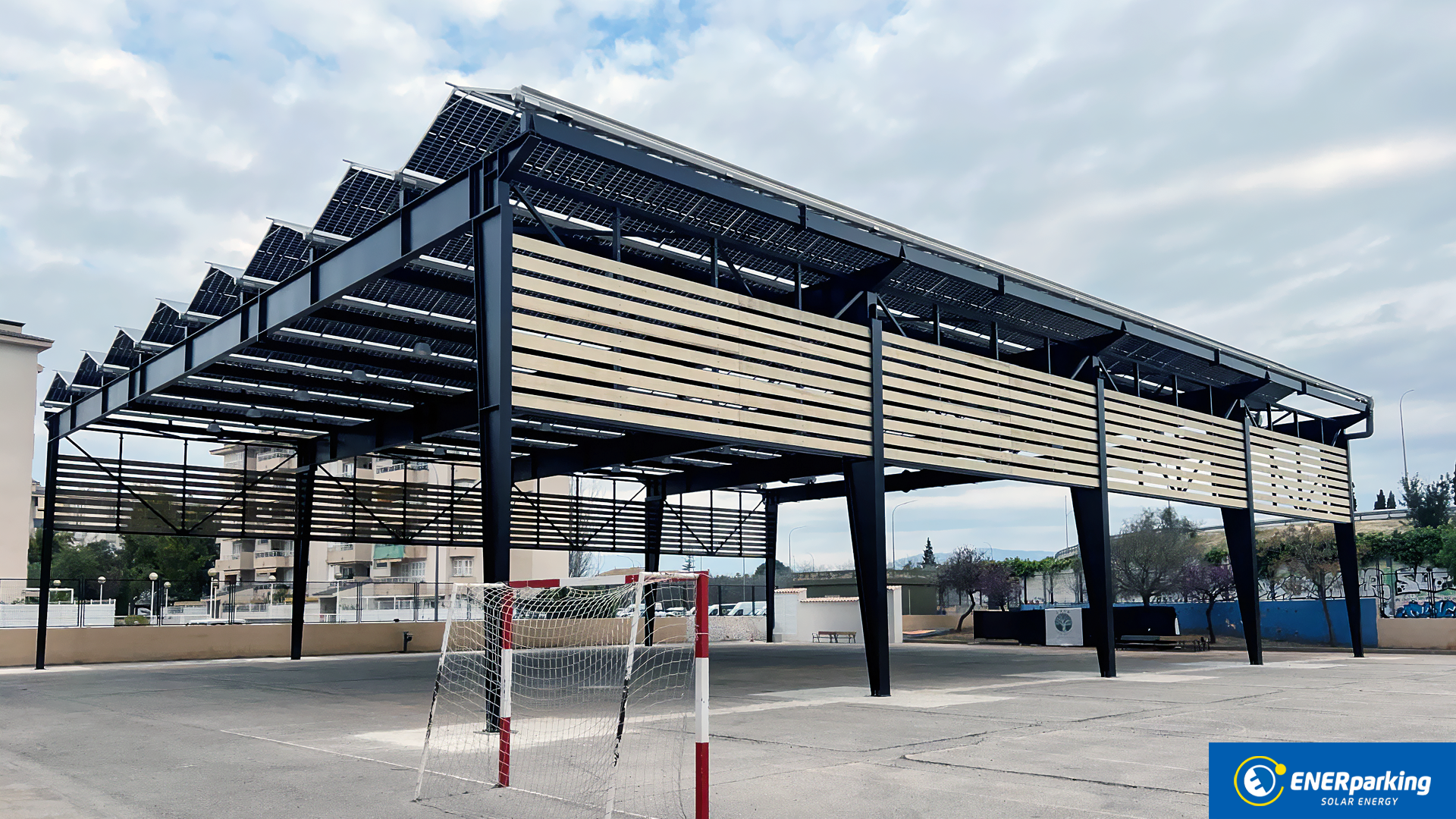
At ENERparking, we have been developing a clear model for some time: transforming school playgrounds into climate shelters that are also able to produce renewable energy. Today, this concept has become a reality at CEIP Son Oliva, home to the first solar-powered school climate shelter in the Balearic Islands.
Promoted by the Govern de les Illes Balears and financed with European NextGenerationEU funds, this project demonstrates how an idea can become a real, built and fully operational solution.
The challenge and the opportunity
Schools are facing an increasingly urgent reality: rising temperatures, lack of shade and outdoor spaces that cannot be used comfortably for much of the year. At the same time, educational centres are under growing pressure to reduce energy consumption and adapt to a changing climate.
Far from being only a problem, this scenario represents an opportunity to rethink school playgrounds as active, comfortable and energy-efficient spaces.
The solution implemented
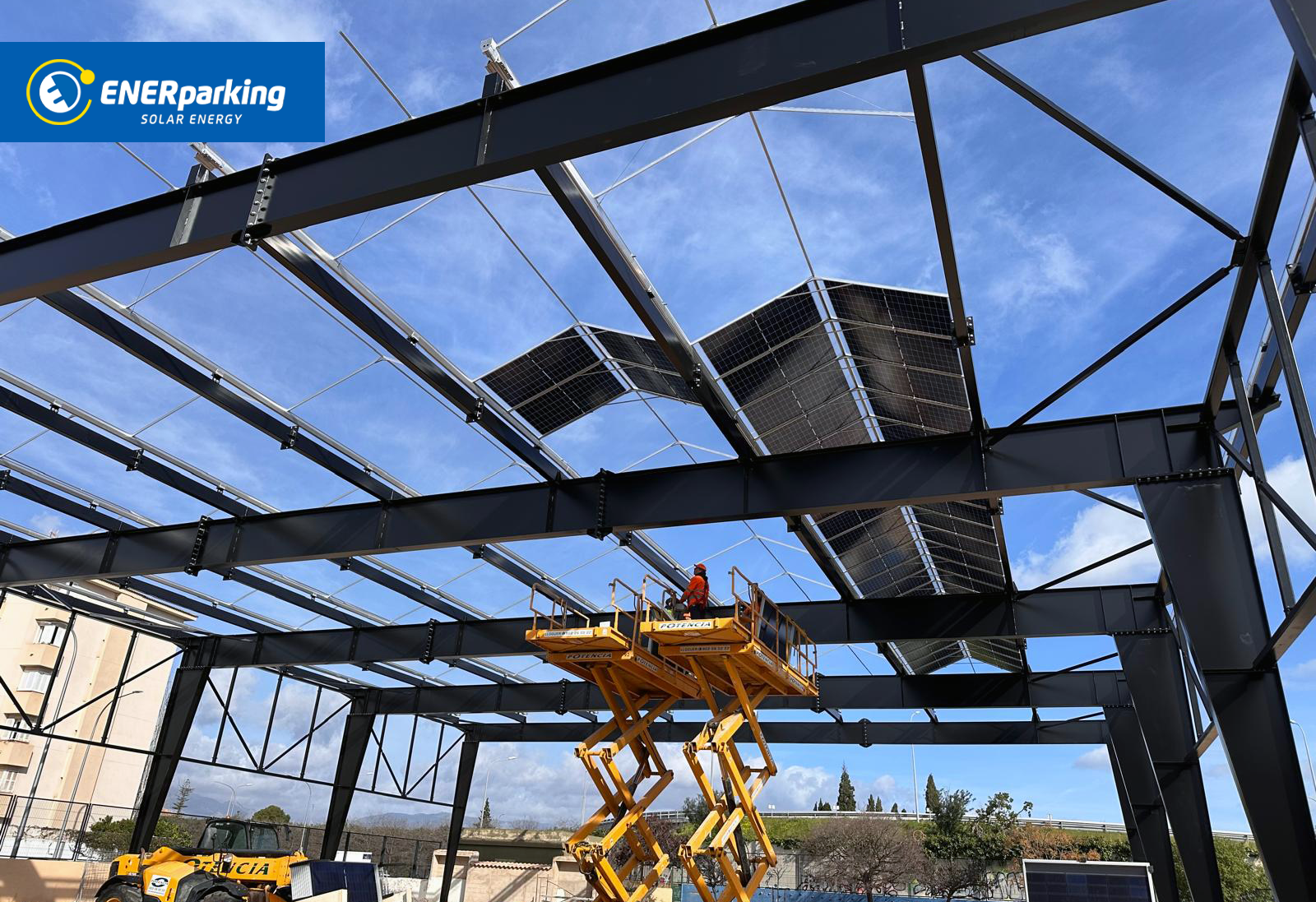
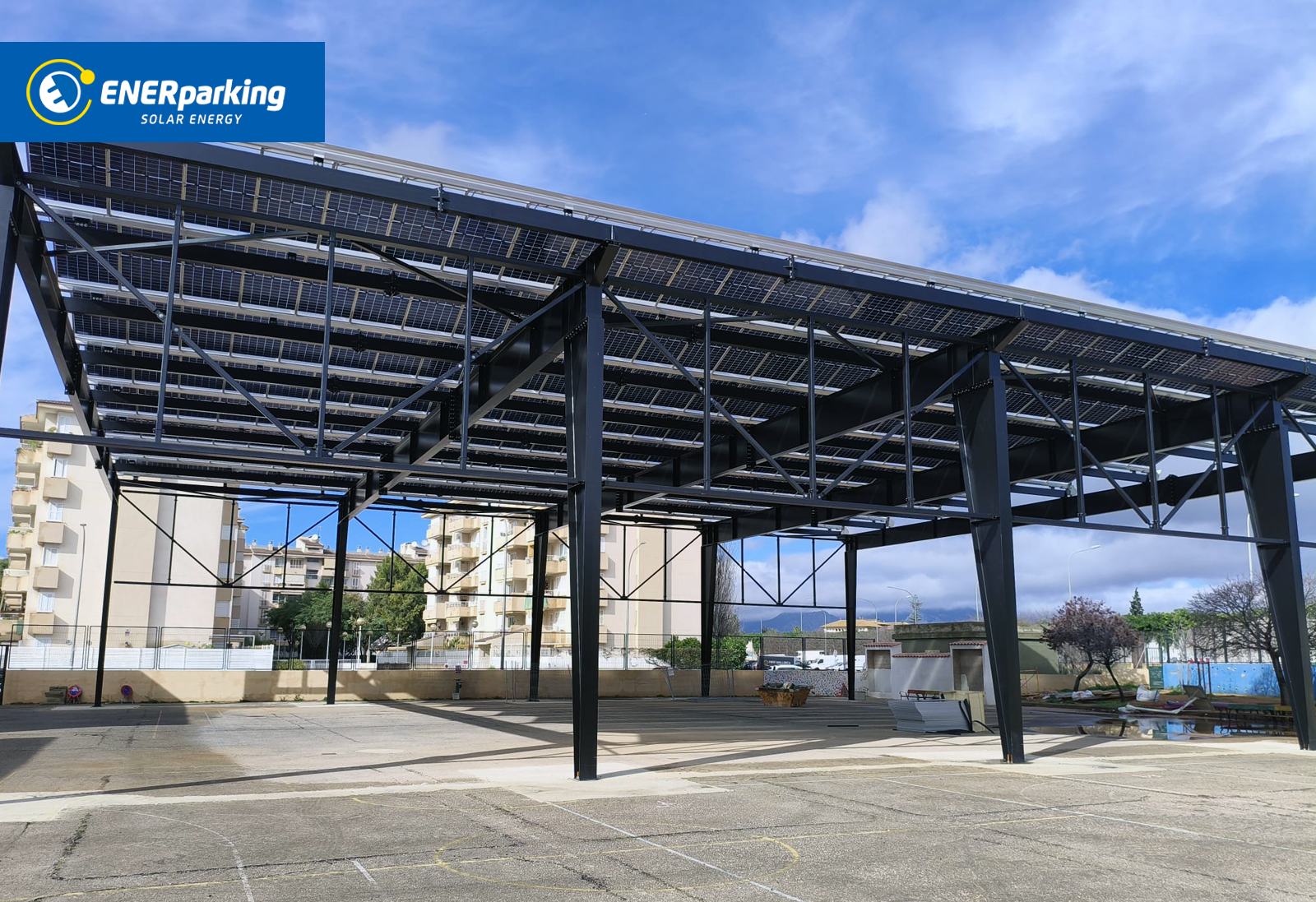
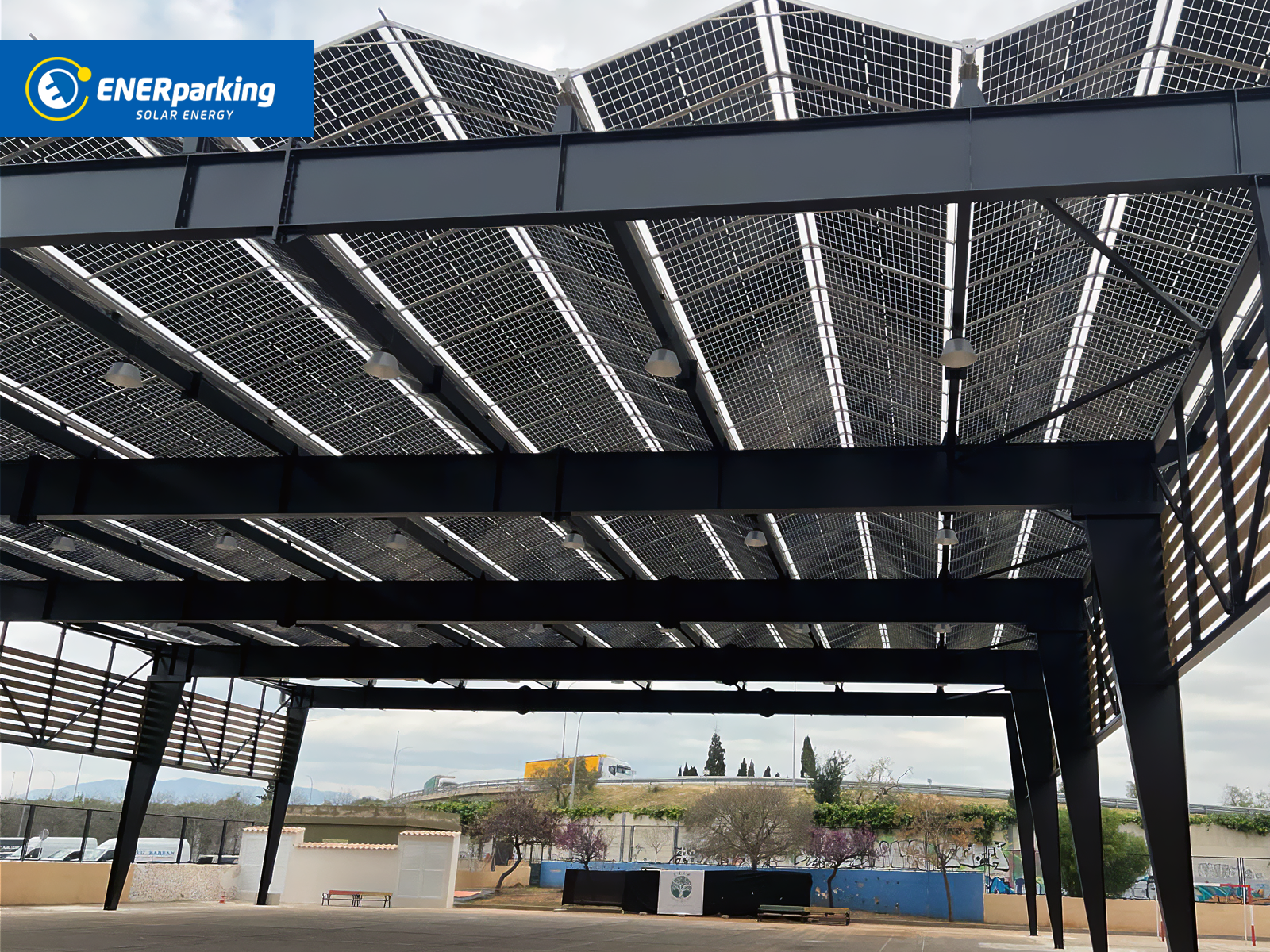
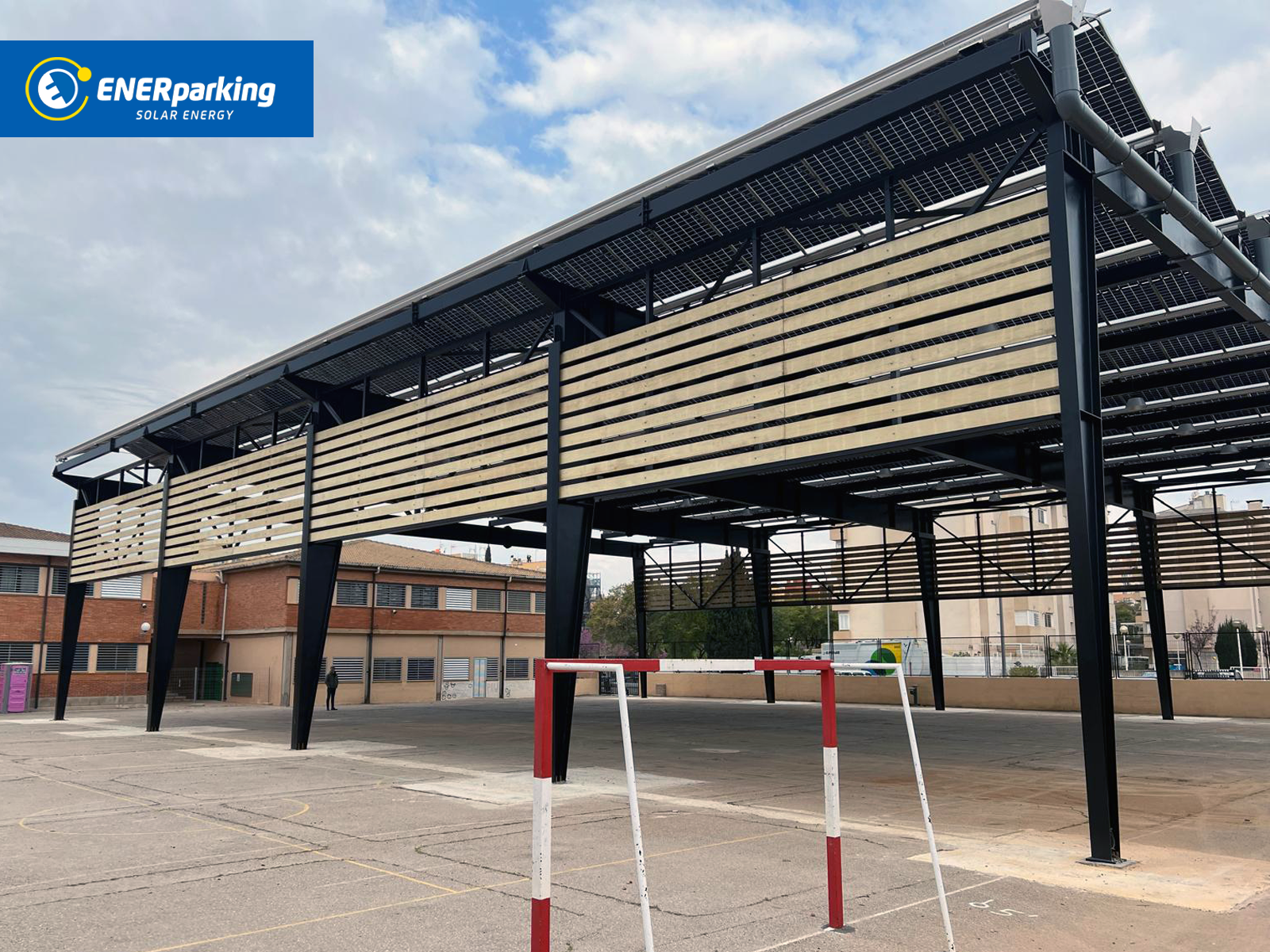
The intervention carried out at CEIP Son Oliva transforms the playground into a multifunctional infrastructure that brings together climate protection, energy generation and continuous use of the space.
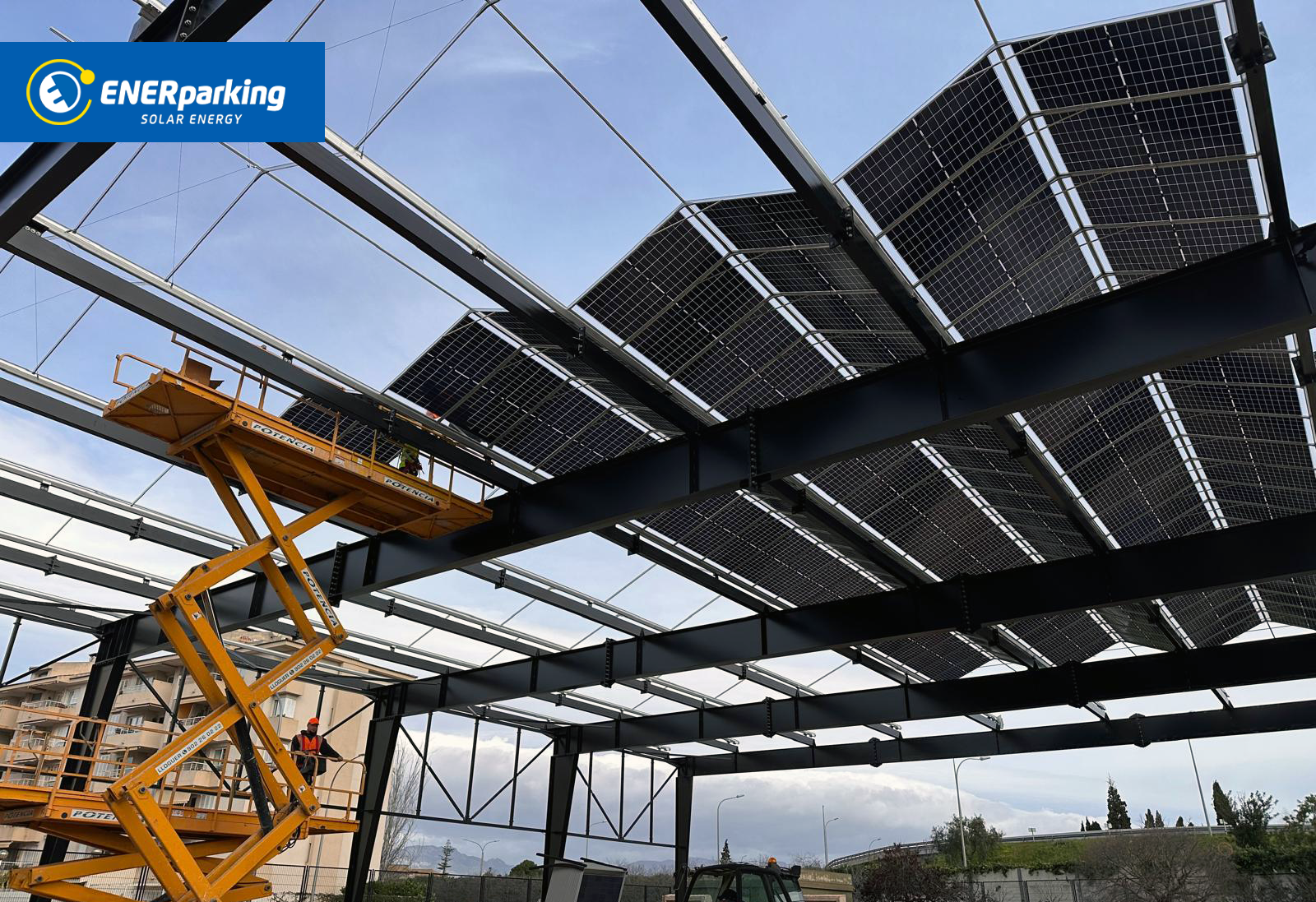
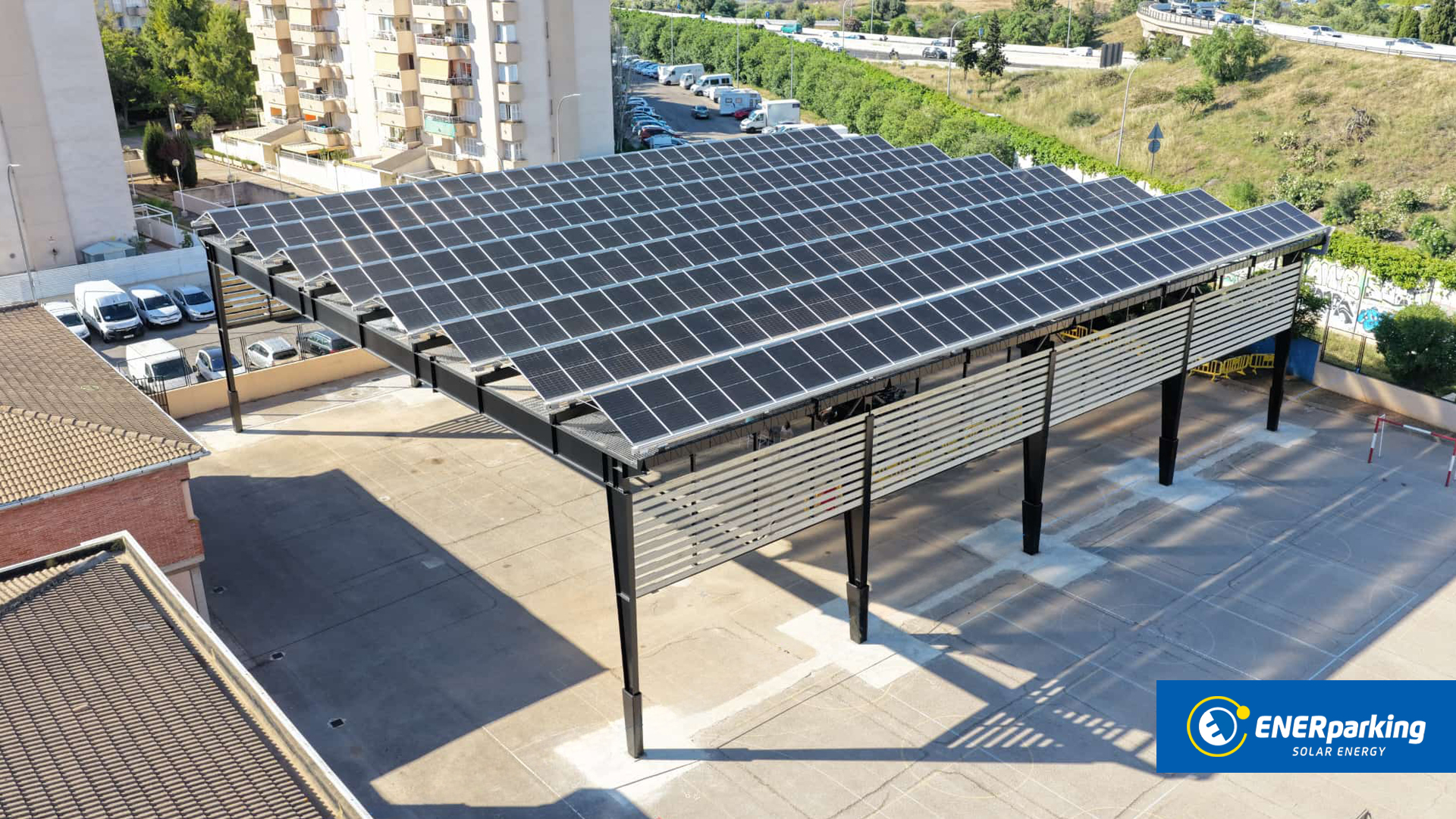
Through the ENERparking solar canopy system, the school now has an environment suitable for sports and educational activities throughout the year, while also generating clean energy for the centre itself.
Project overview:
Covered surface area: 1,200 m²
Installed capacity: 243.04 kWp
496 solar panels of 490 W each
Free height: 7.5 metres
Watertight solar canopy, providing full protection against rain
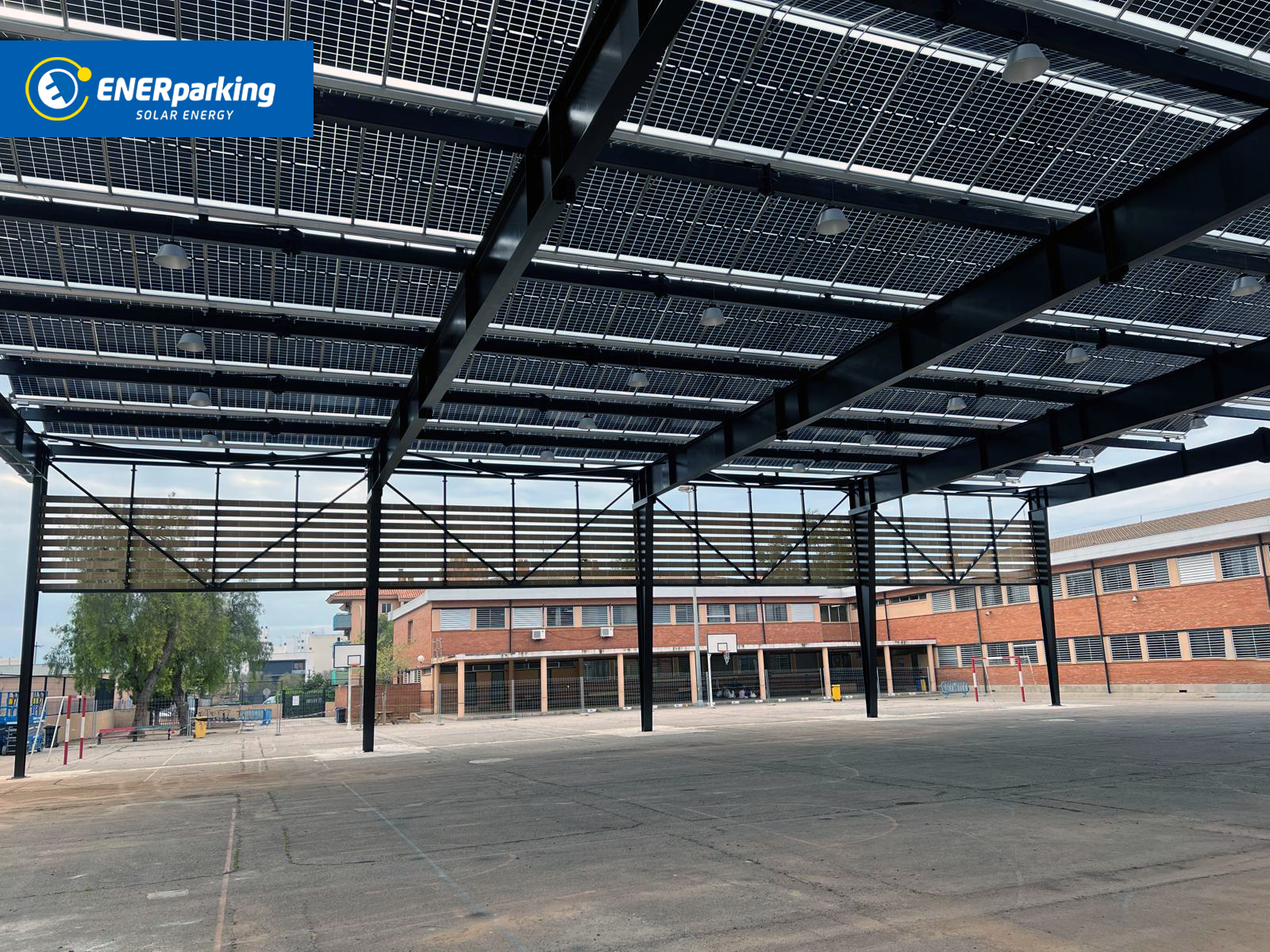
13% transparency, ensuring visual comfort without glare
A transformed space
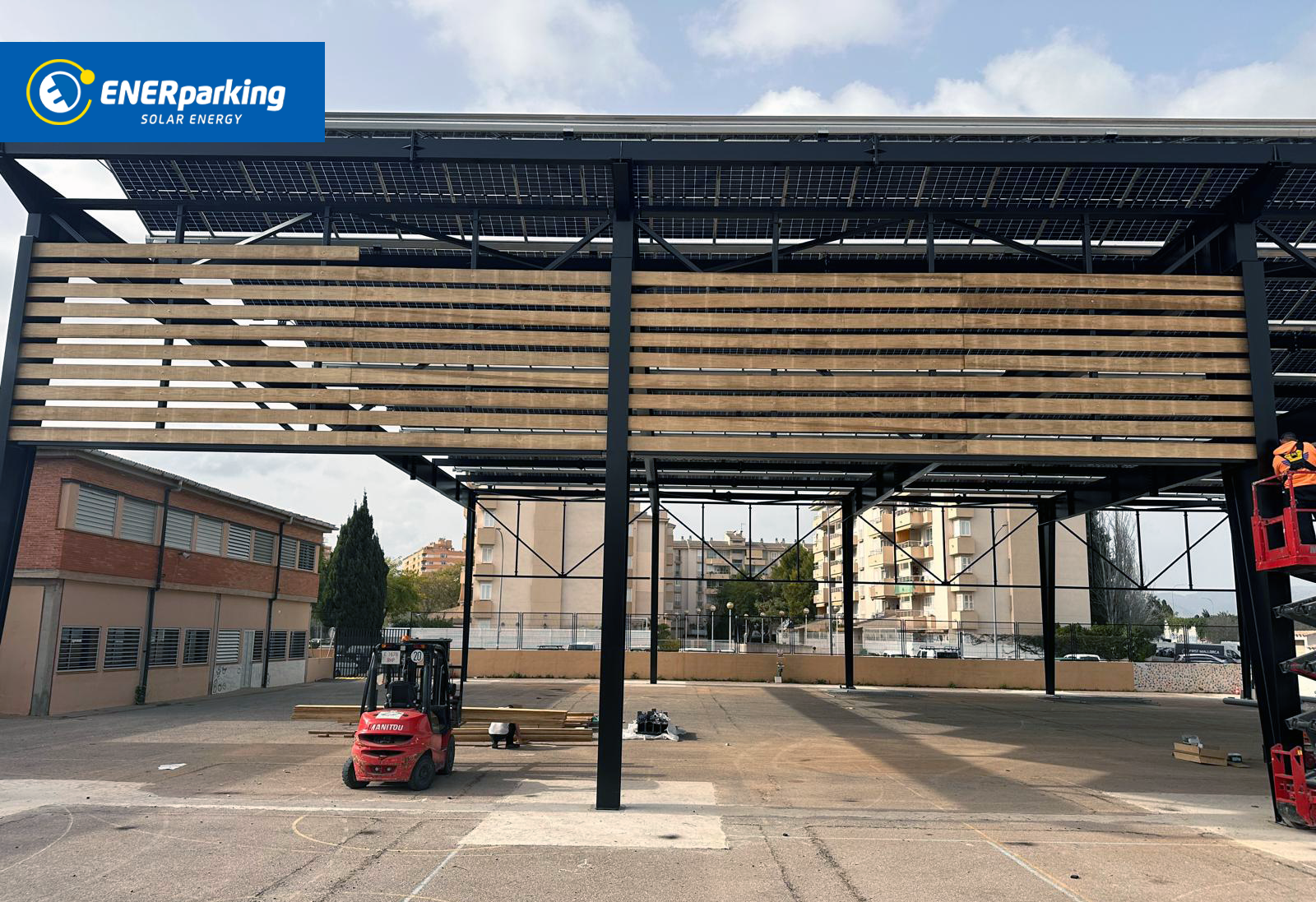
The result is a completely renewed space, where scale, light and protection change the way the playground is used. The canopy creates a comfortable atmosphere, with filtered natural light and no glare, encouraging continuous use throughout the year.
Beyond its technical function, the structure also has a strong architectural presence, integrating naturally into the school environment.
The installation generates renewable energy for the school, reducing dependence on the electricity grid and cutting CO₂ emissions. Projects of this kind help move educational environments towards greater energy self-sufficiency, in line with sustainability and energy transition objectives.
A replicable model
This project is not an isolated solution, but a replicable model for schools, sports facilities and public spaces.
It is particularly relevant for public administrations and private institutions seeking to improve climate comfort, optimise the use of their infrastructure and advance energy efficiency through real, proven solutions.
The CEIP Son Oliva climate shelter demonstrates that architecture, energy and wellbeing can be integrated into a single intervention.
A solution that turns school playgrounds into spaces prepared for both the present and the future.
Project financed by the European Union – NextGenerationEU, within the framework of the Recovery, Transformation and Resilience Plan.
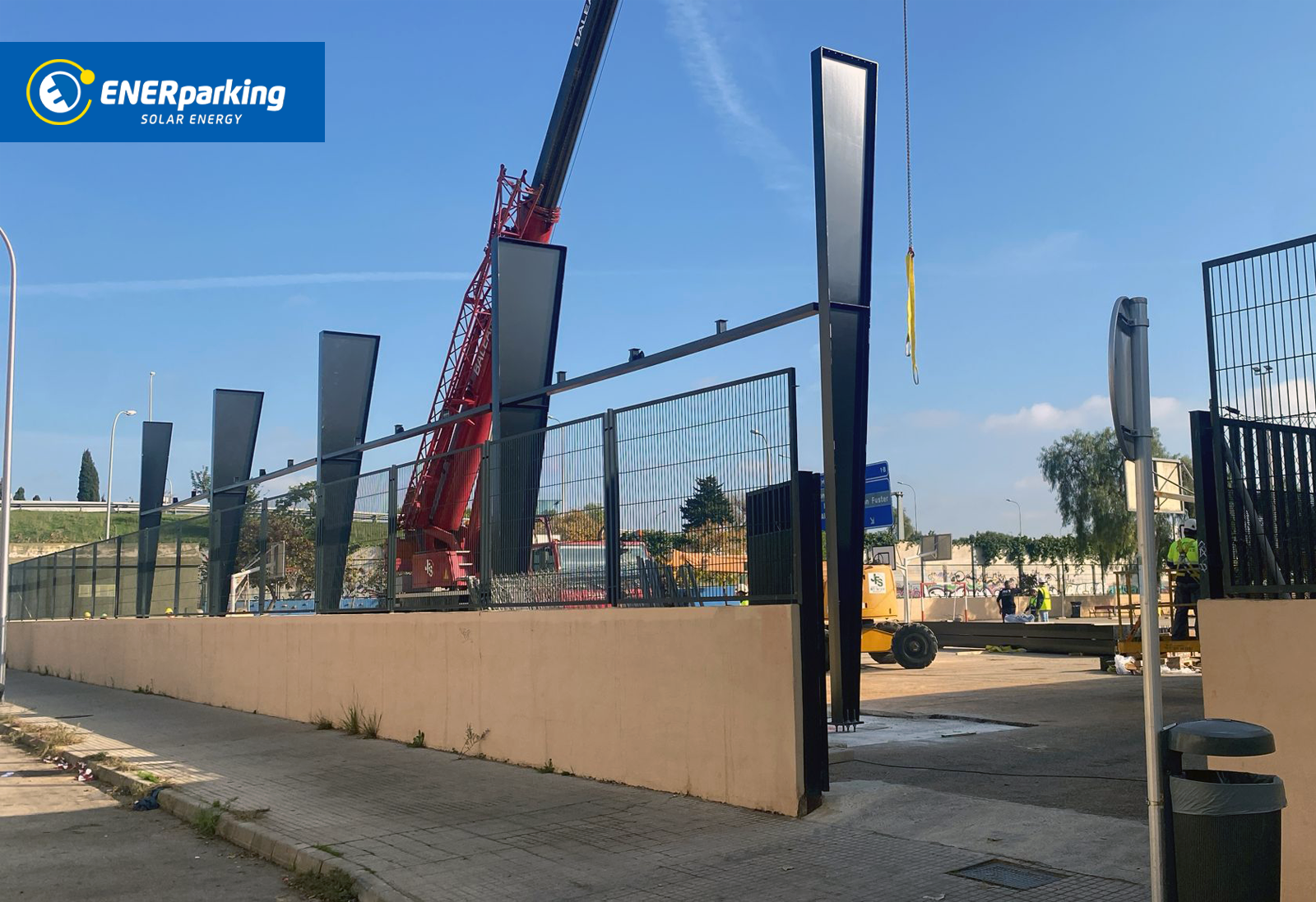
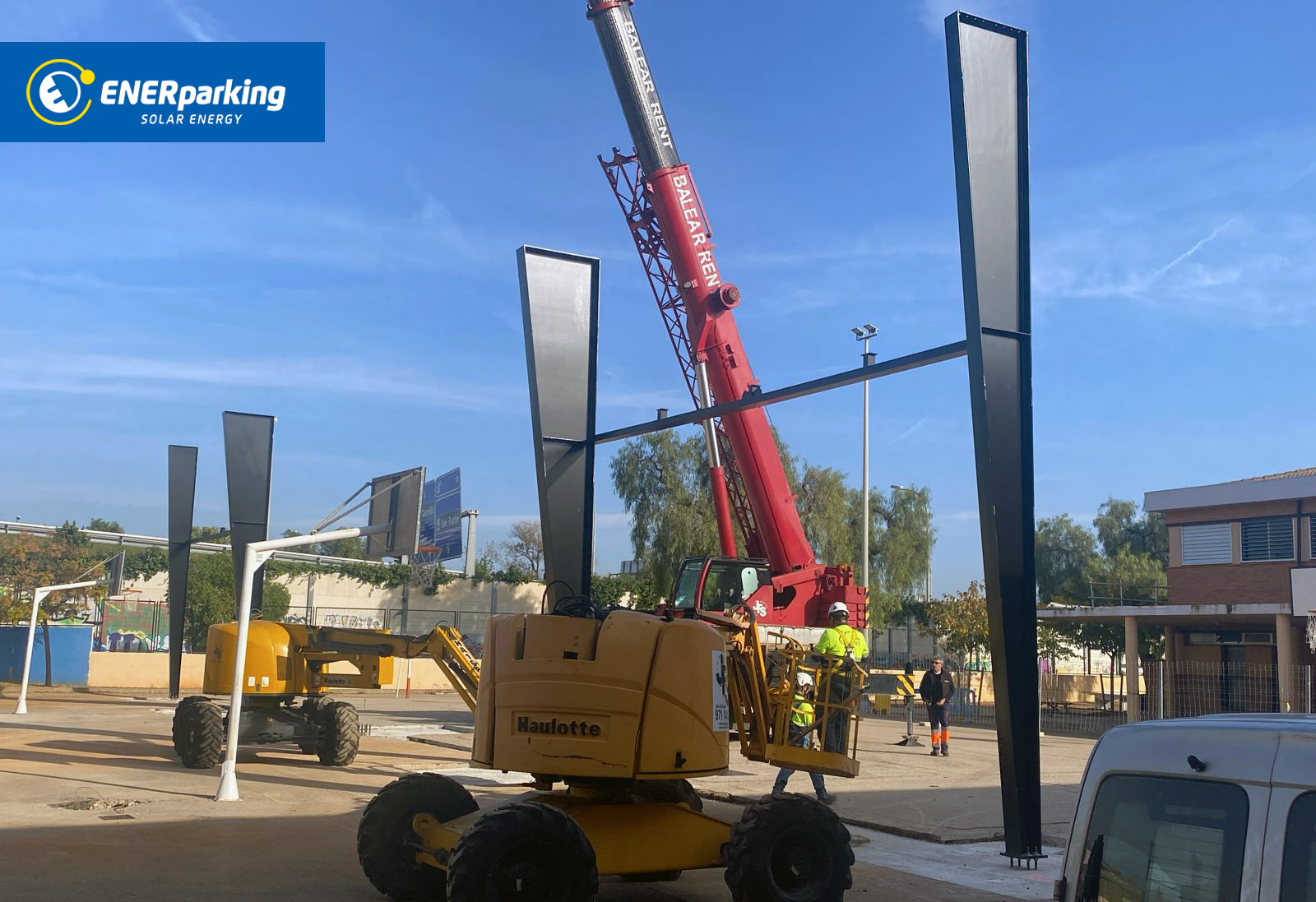
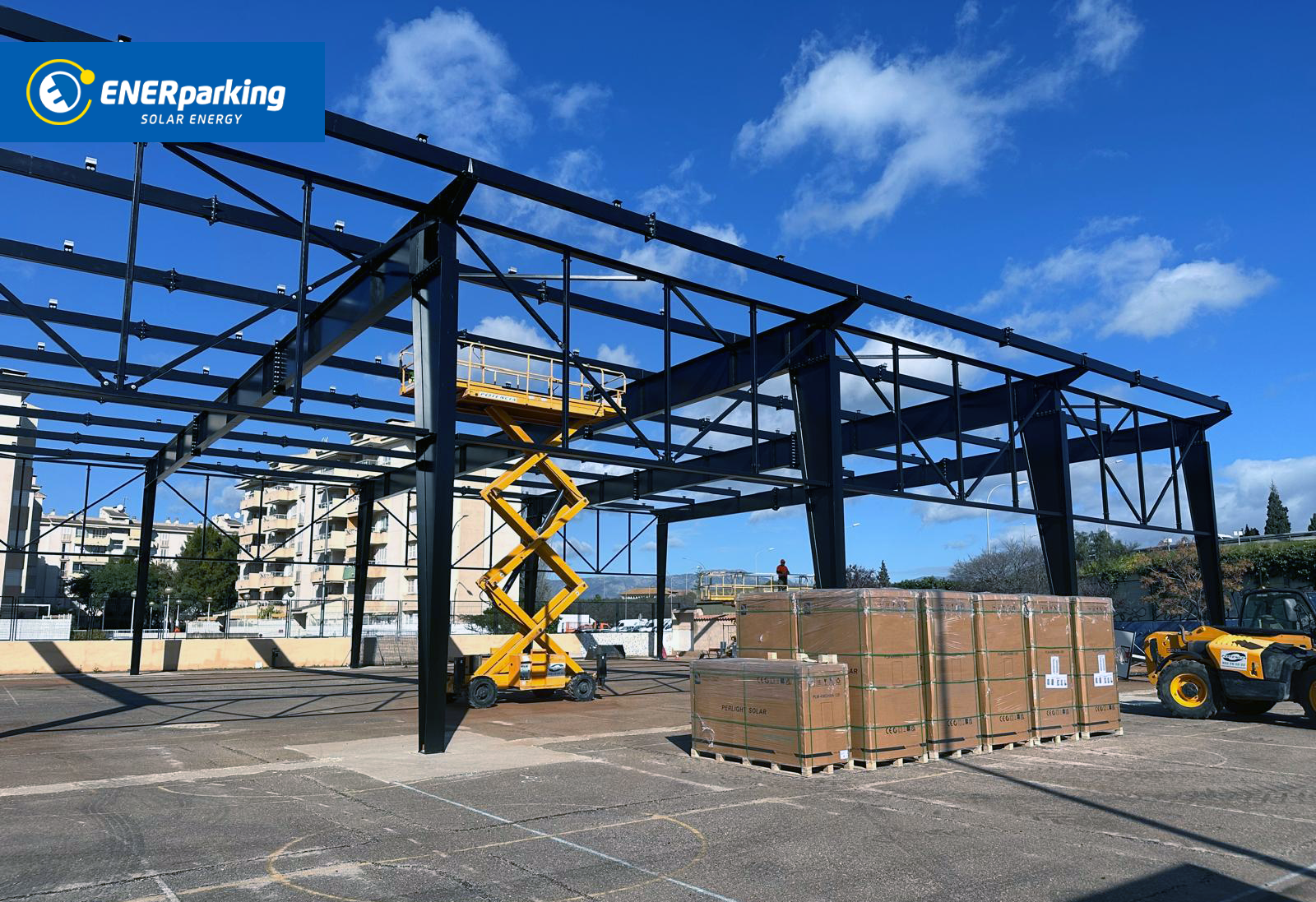
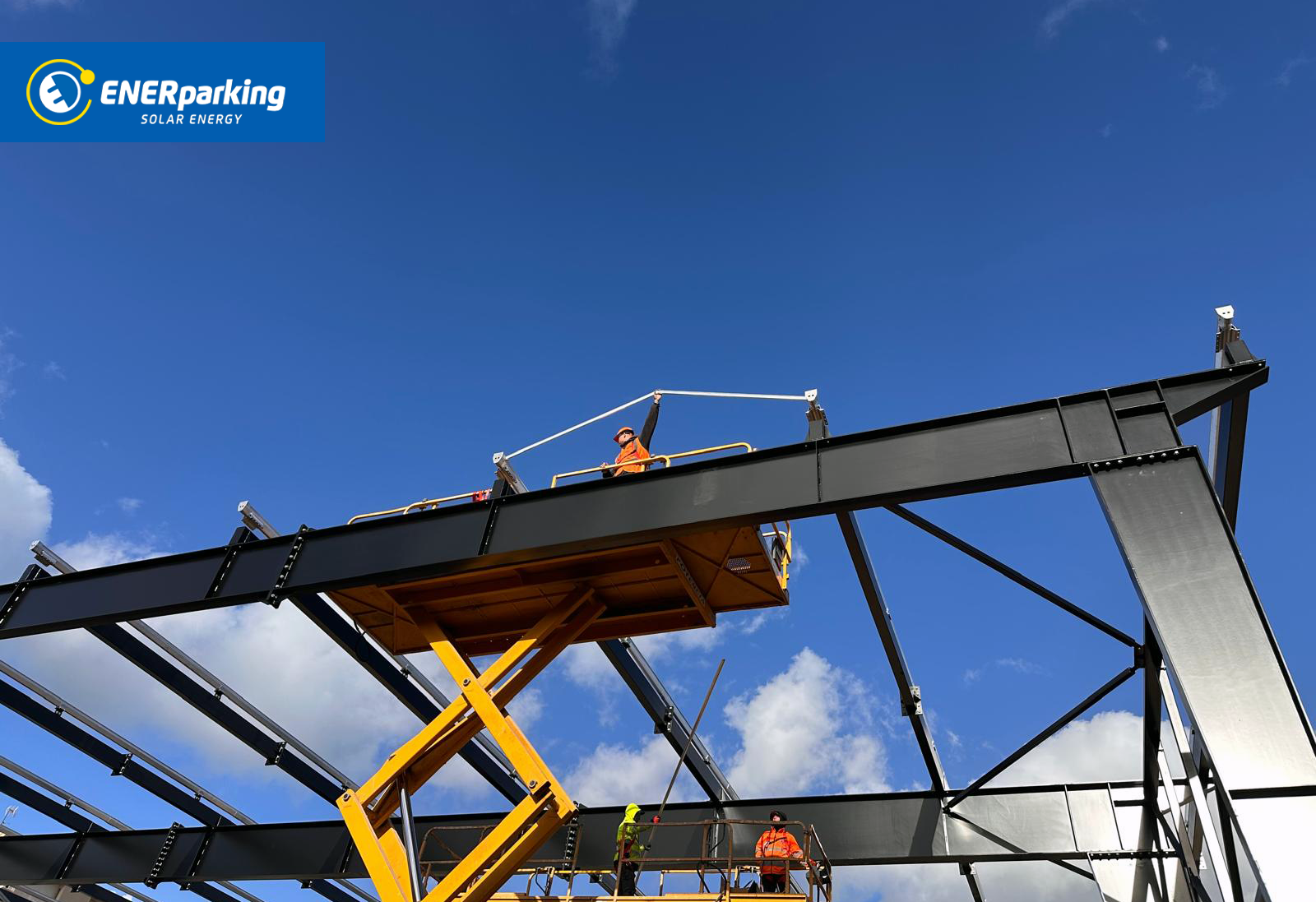
The progress of the works in images